
a litlle about our family...
about our community
Khalvat is an emerging academic, cultural, and artistic institution in the field of the humanities, which began its work with a focus on psychological services. Established to create a safe, creative, and independent space for curiosity and critical reflection on issues related to the human sciences, Khalvat also aims to support individuals in their pursuit of personal balance and well-being. Its core mission is to lay the foundation for an independent institution dedicated to thought, dialogue, research, and education in the humanities.
Currently, Khalvat is focused on providing psychological services, including psychotherapy, specialized training in psychology, artistic education, cultural-scientific publications, and an art shop. The institution is actively developing the necessary infrastructure to expand its work in educational, artistic, research, and cultural fields.
With a strong commitment to academic integrity, intellectual freedom, financial self-sufficiency, and independence from governmental structures, Khalvat aspires to establish itself as a respected and autonomous foundation in the cultural, artistic, and human sciences landscape.
We believe that the human being is a multidimensional, multilayered entity with a cohesive and integrated wholeness. One cannot overlook this unity due to the complexity and diversity of human dimensions, nor can one reduce a person to a single definition given the intricate interweaving of those dimensions and layers. Each of these aspects interacts with the others within every individual, creating what we might call an “infinite spectrum of existential configurations.”
To understand the human being more fully, we must consider not only each of these dimensions in isolation, but also their various combinations and, most importantly, the unified totality they form. From this perspective, our approach to the human—as both our subject and our audience—is phenomenological and integrative in nature.
This view shapes not only our individual-level perspective, but also our broader social outlook. We regard every person, every collective situation, and every society as possessing a unique identity and essence, even while being connected to, resembling, or sharing features with others of their kind.
Working within and for the human community, then, requires an open heart, an extended hand, and a mind that is curious and searching—capable of embracing the richness and multiplicity of human existence. We hope to create a space that is safe, free, and independent—where this worldview can be lived and experienced.
It is our conviction that any true sense of inner ease and clarity comes from taking such a stance toward human beings, the world, and the phenomena and events that surround us. And while our lived observations—however limited—may not suffice for sweeping conclusions, they suggest a profound lack of such spaces in our immediate context.
We see human change and transformation as inseparable from life itself. Standing both inside and beside this unfolding, as observers and participants, is for us a deeply compelling and intellectually irresistible position. We believe our most essential task is to understand this human space—and that every community, large or small, deserves a framework of reflection on its own dynamics.
Human studies are both the gateway to reality and the prerequisite for entering it. So before we delve too deeply into the inner intricacies of this text’s authors, let us sum it up simply: we believe that our only path is through the pursuit of open, ongoing inquiry within the human sciences.
Above all, we are a collective of human beings—rich in experiences and transformations that defy easy categorization. We therefore choose to remain open to difference and change, and we soothe the anxieties that arise from this orientation by building a small home for curiosity and the study of the human—both within individuals and between them. In this sense, Khalvat may best be described as a foundation for human studies.
What is the underlying philosophy of the Khalvat Foundation?
What areas does Khalvat operate in?


Psychotherapy and Clinical Assessment
Khalvat is home to professionals specializing in individual adult psychotherapy, couples therapy, premarital counseling, child and adolescent therapy, neurotherapy, and psychological testing. All therapists are committed to high professional standards, ongoing clinical supervision, and personal therapeutic work, forming the heart of the Khalvat community.
Gatherings and Dialogues
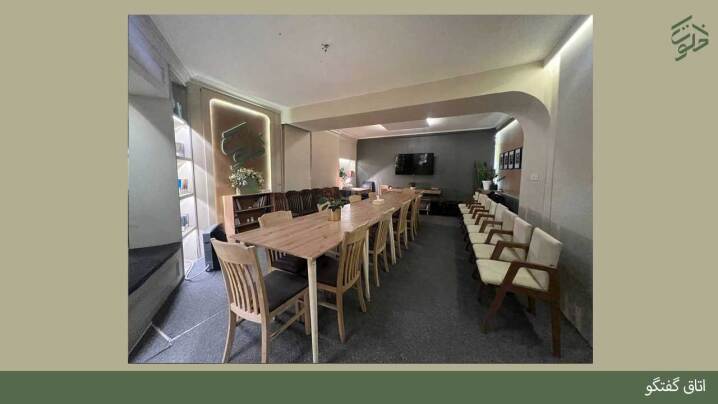
This section includes a variety of short-term and comprehensive workshops in specialized areas of psychology, general psychological workshops for the public, as well as cultural, literary, and artistic discussions. It also features group therapy sessions, academic talks, and conversations designed to inspire reflection and connection.
Publications
We are developing a scientific-cultural publishing arm focused on producing and distributing written and visual works in the humanities. Our aim is to bring the most up-to-date and effective textual, audio, and audiovisual content to the world of publishing.
Library
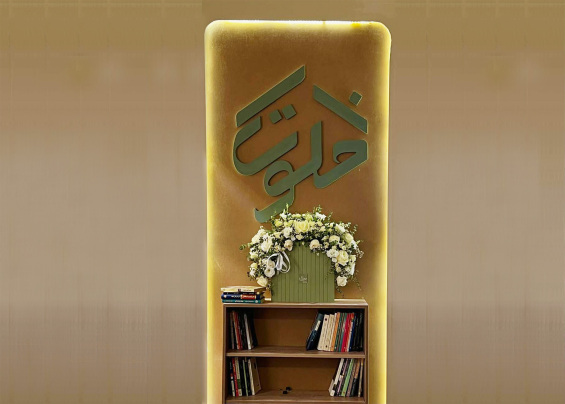
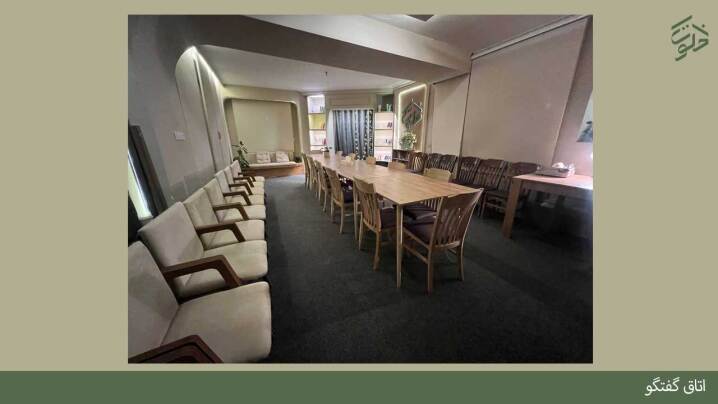
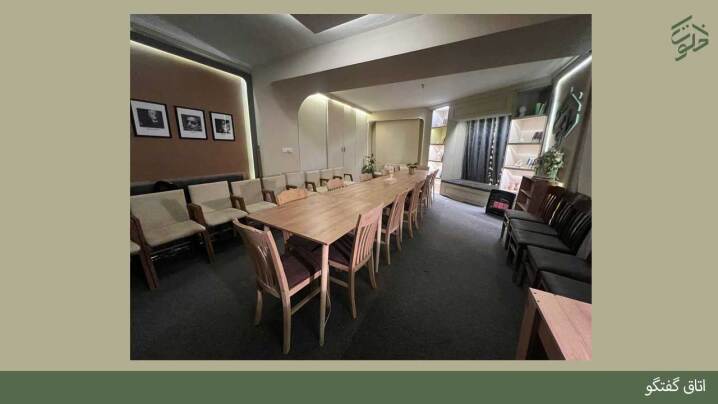
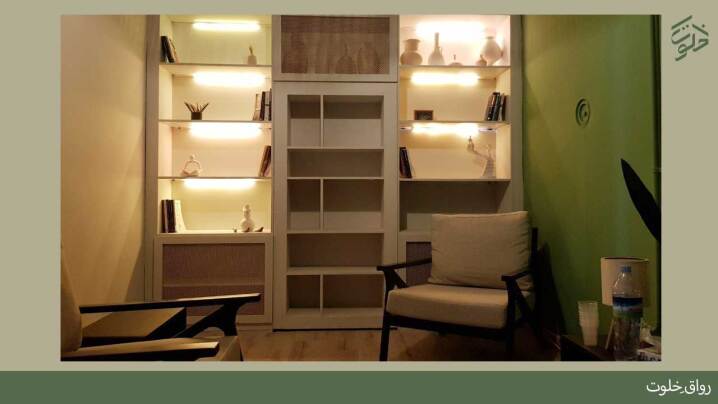
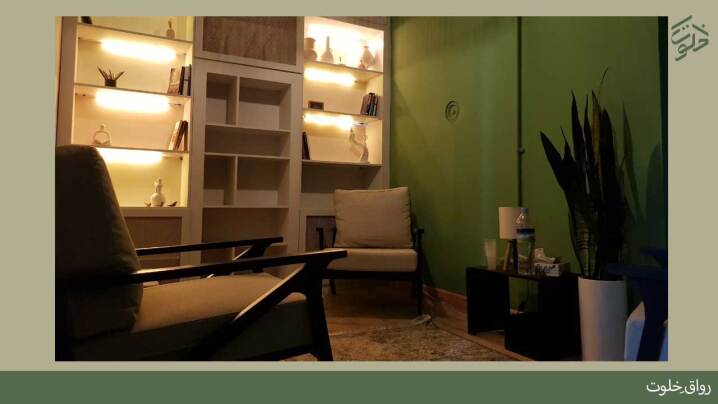
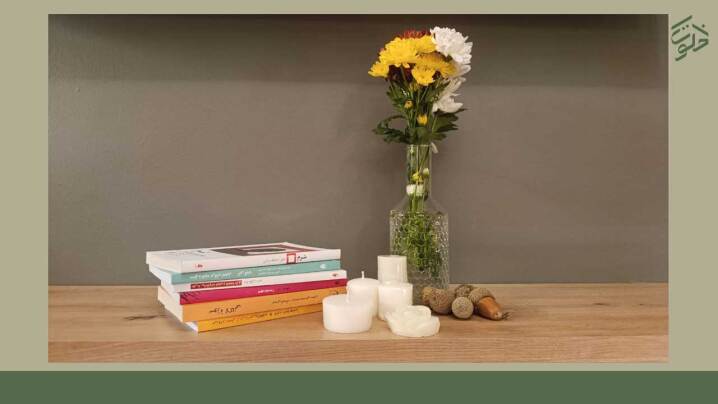
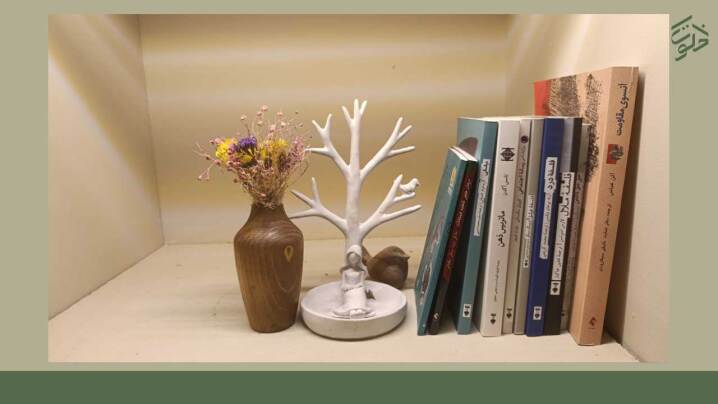
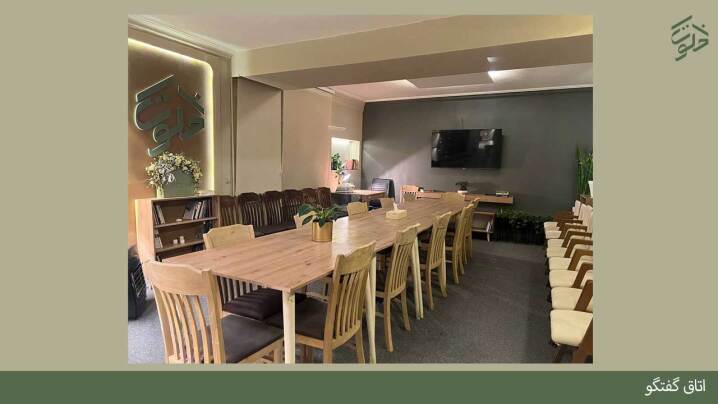
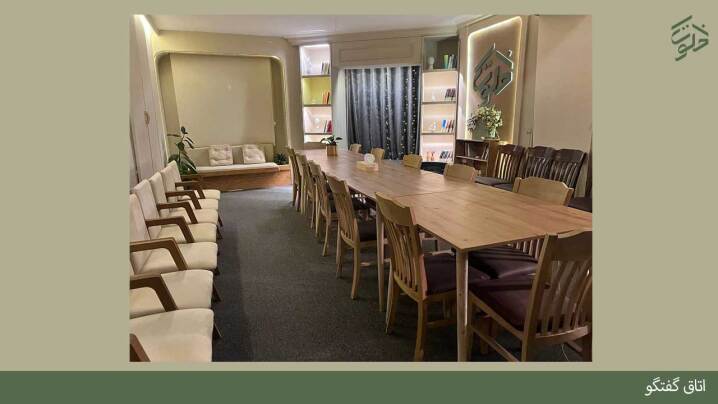
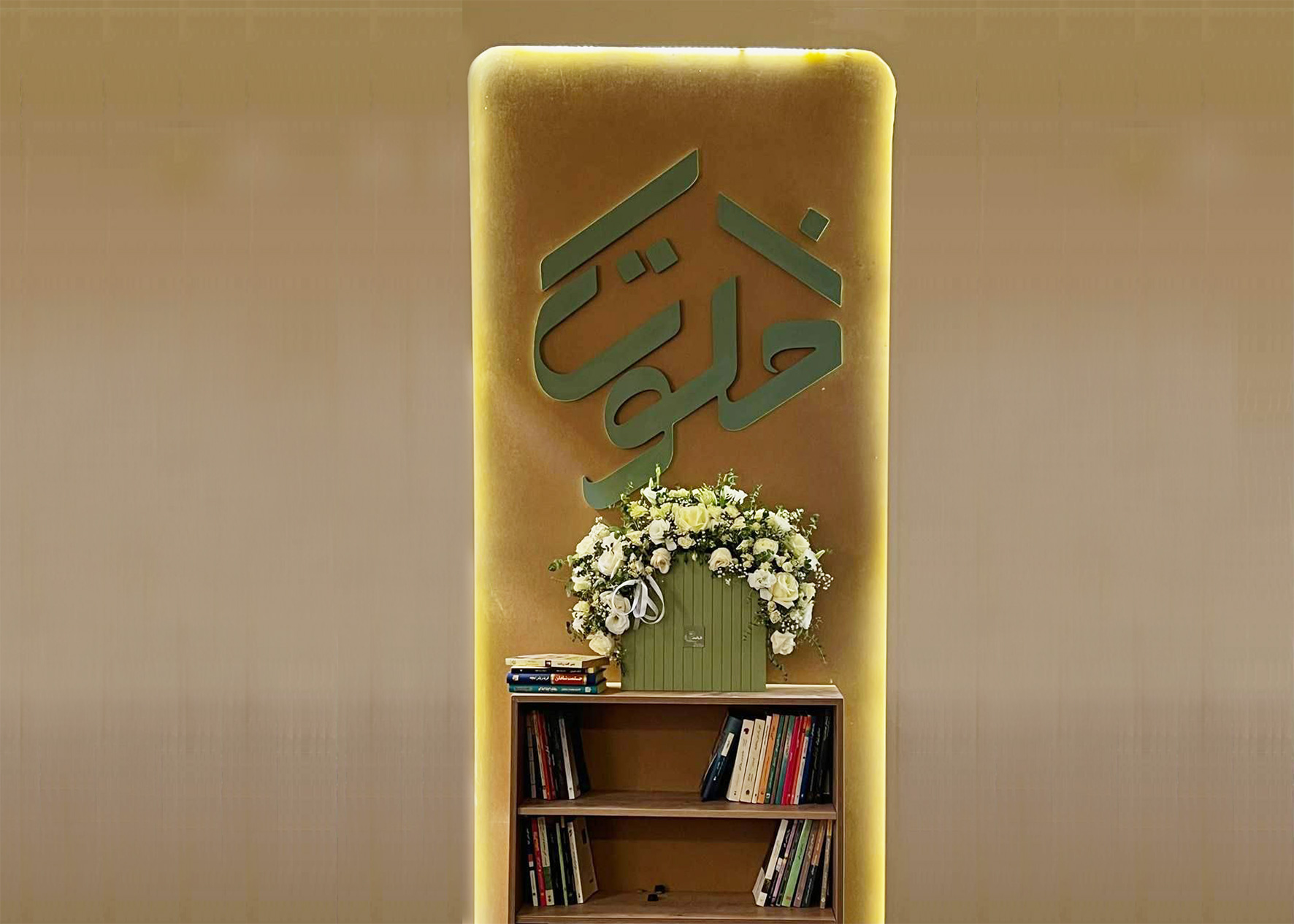
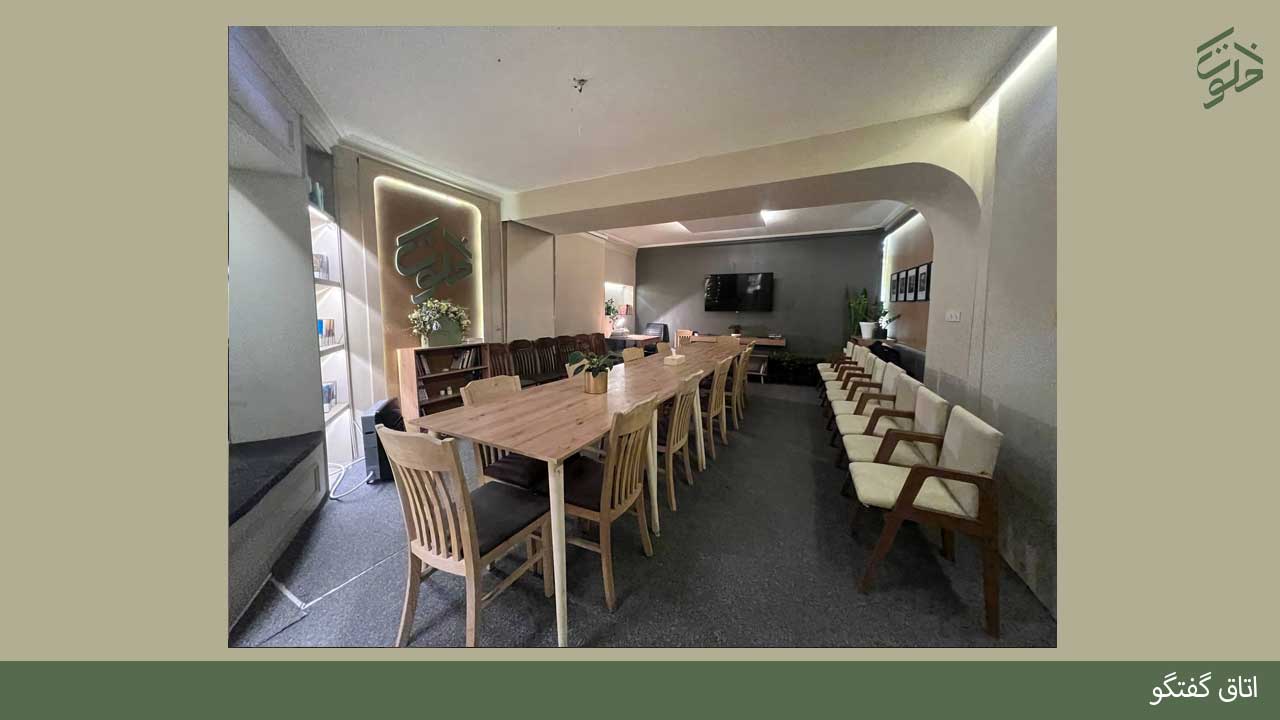
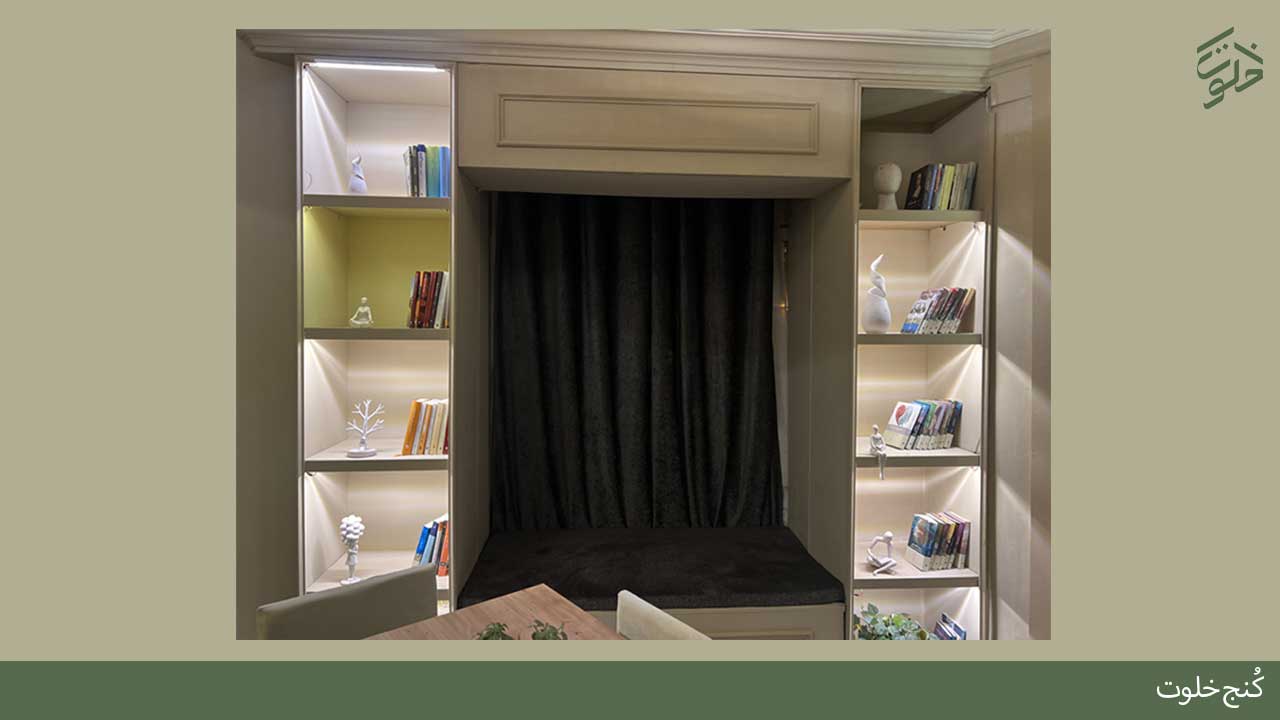
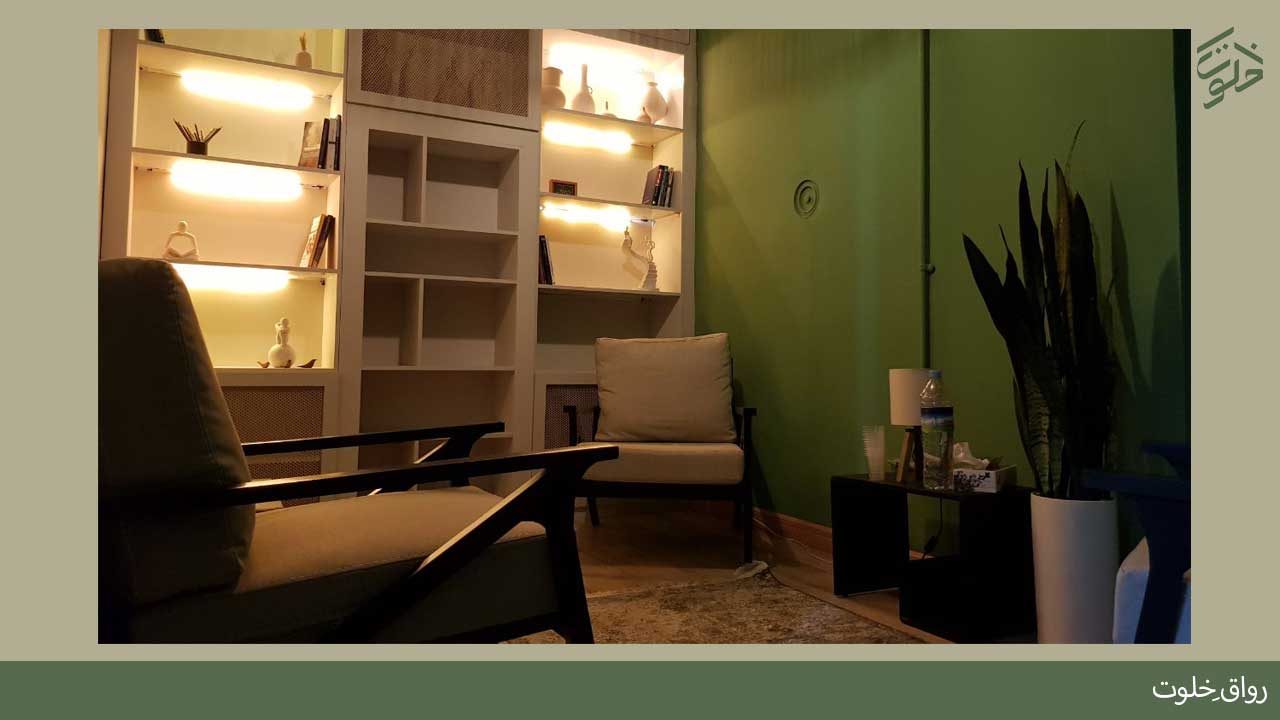
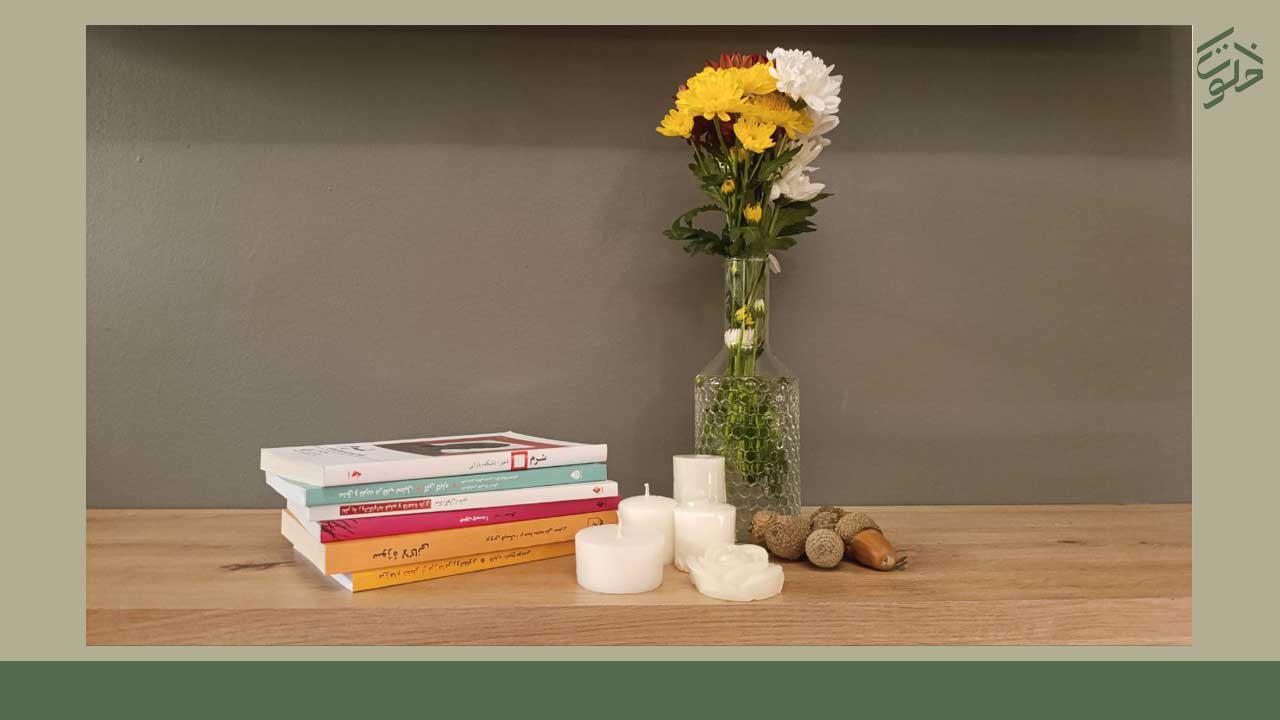
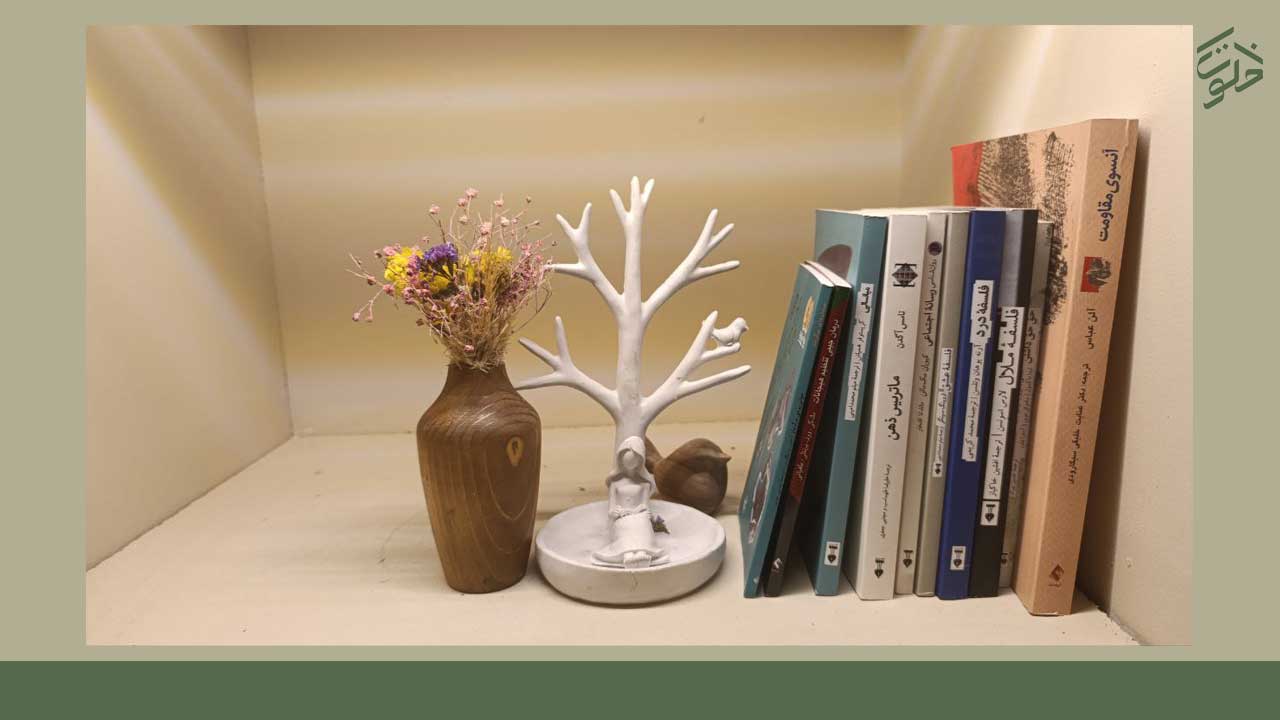
Wherever you turn in Khalvat, you’ll find stacks and shelves of carefully chosen books. Our collection is continuously growing in both volume and variety. Each title is selected with great care for its thematic relevance, content quality, translation, and publication standards. Books are available for borrowing.
Who are Khalvat Founders?
Dr. Sadeghi is an alumnus of Ferdowsi University, University of Iran, and University of Tehran. He has authored several specialized books and scholarly articles in the field of psychology.
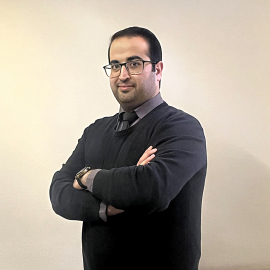
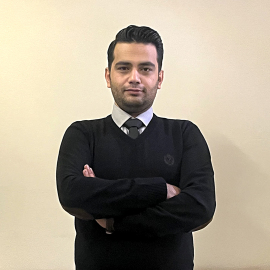
Dr. Shirkhani completed all three academic degrees at Ferdowsi University of Mashhad. She is the author of numerous books and articles in the field of psychology and currently teaches psychology courses at Ferdowsi University.
Dr. Milad Shirkhani
Co-founder
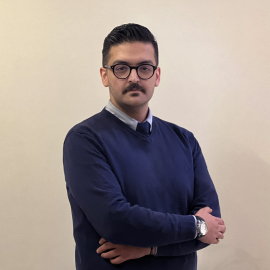
Dr. Ali Naeimi is a graduate of Ferdowsi University of Mashhad. In addition to serving as editor-in-chief of the university’s specialized journal *Roozaneh*, he has led various academic and executive institutions over the years.
Full Introduction
Full Introduction
Full Introduction
You can be part of our home and our family, too.
Whether you’re here to offer services or receive them, we warmly welcome the growth and diversity of our community. If you’d like to become a part of our family, just reach out to us via social media or email—let’s find the right place for you in our shared home. And if you’d simply like to walk alongside us, you can follow our journey through our social media pages. We’re waiting for you!




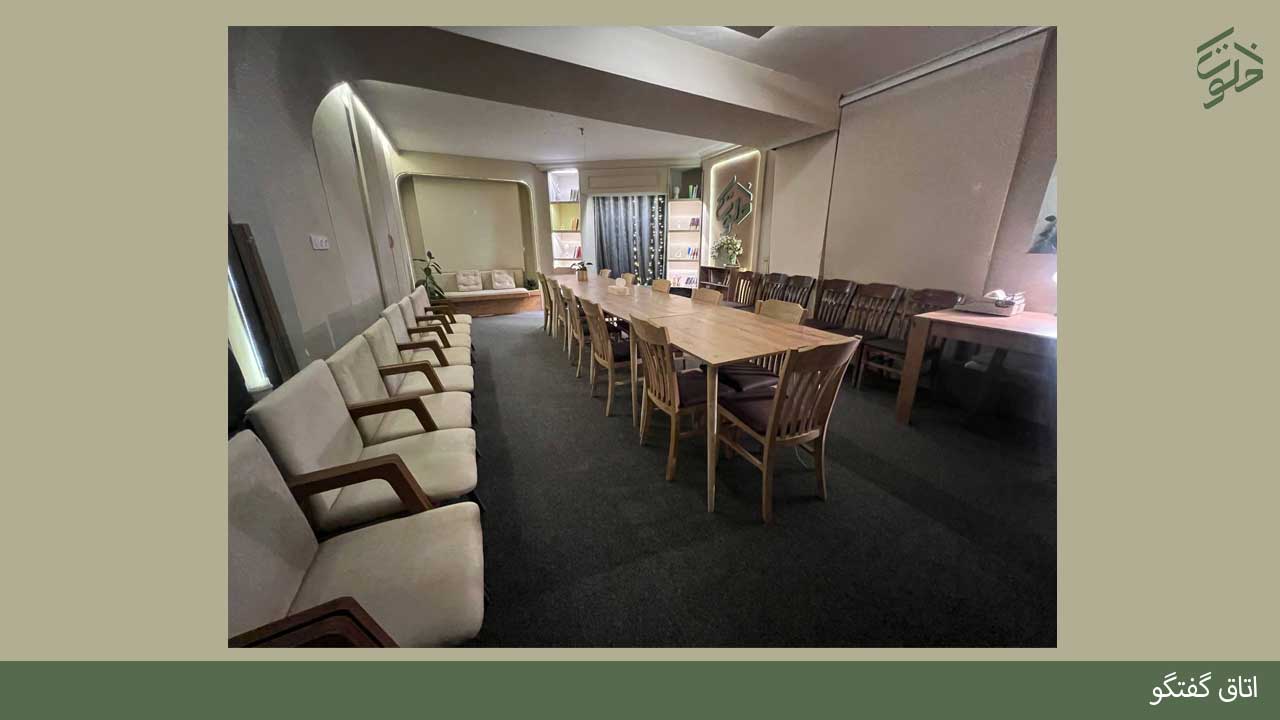
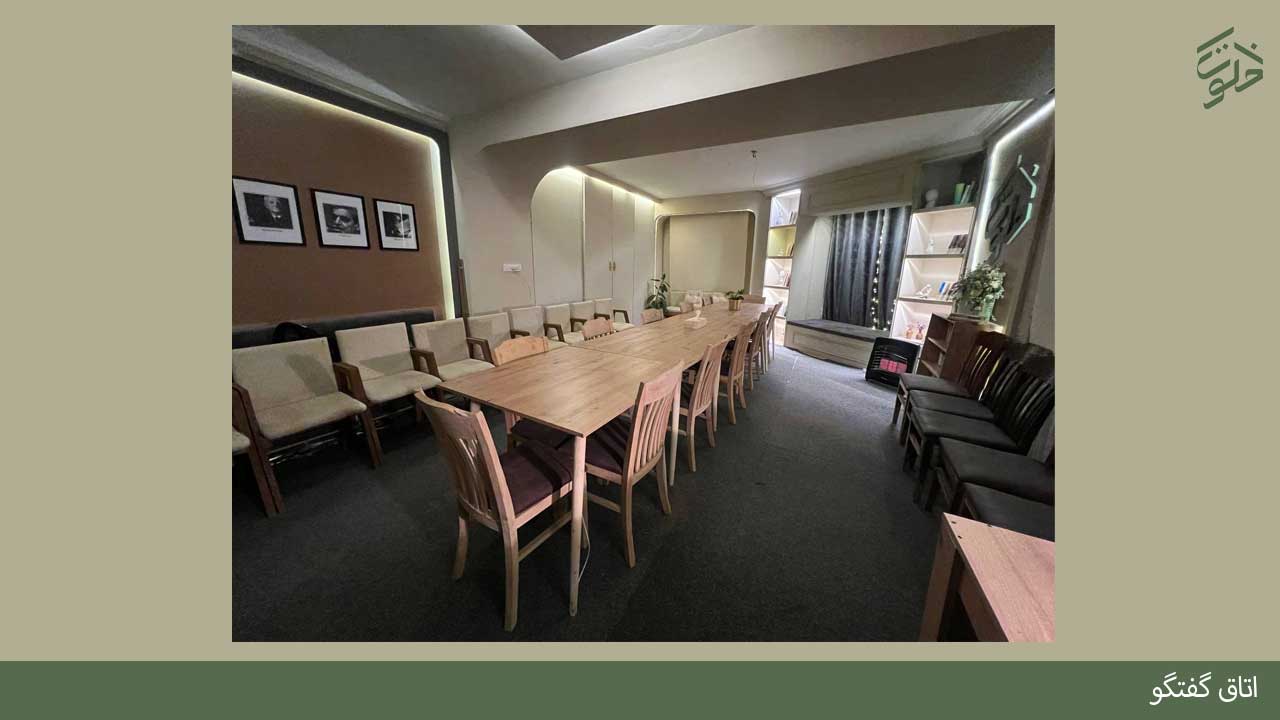
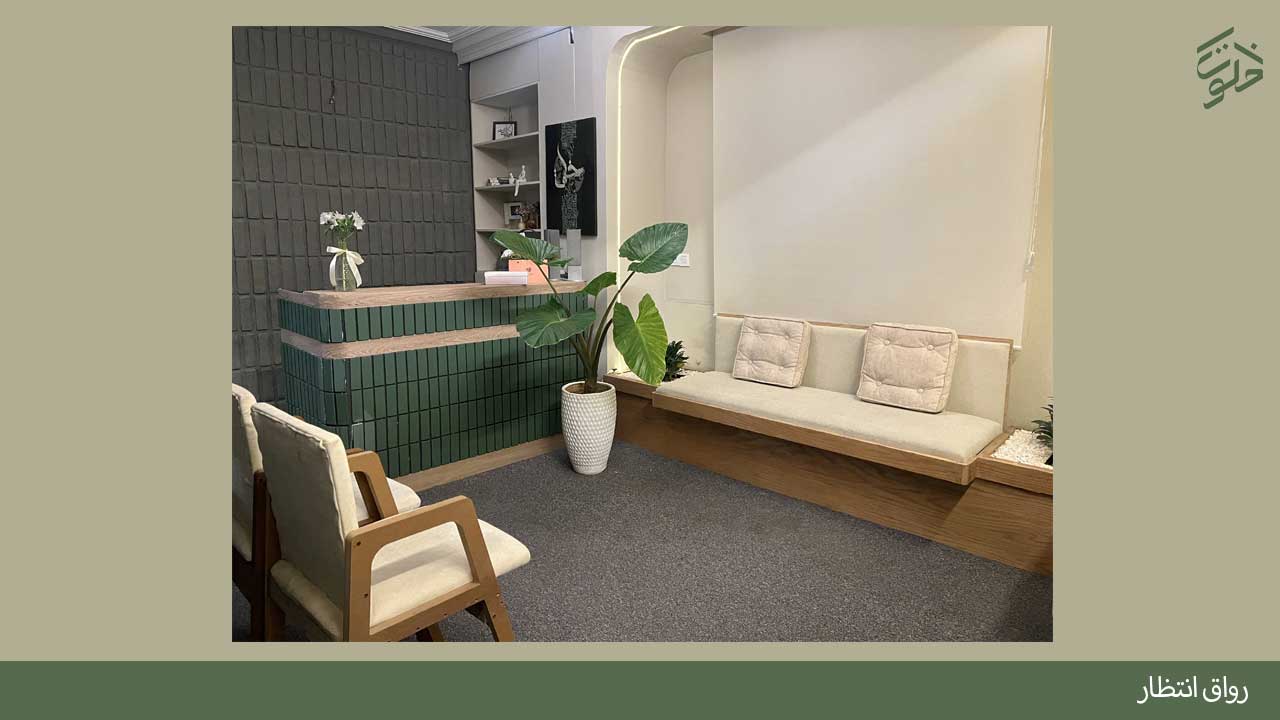
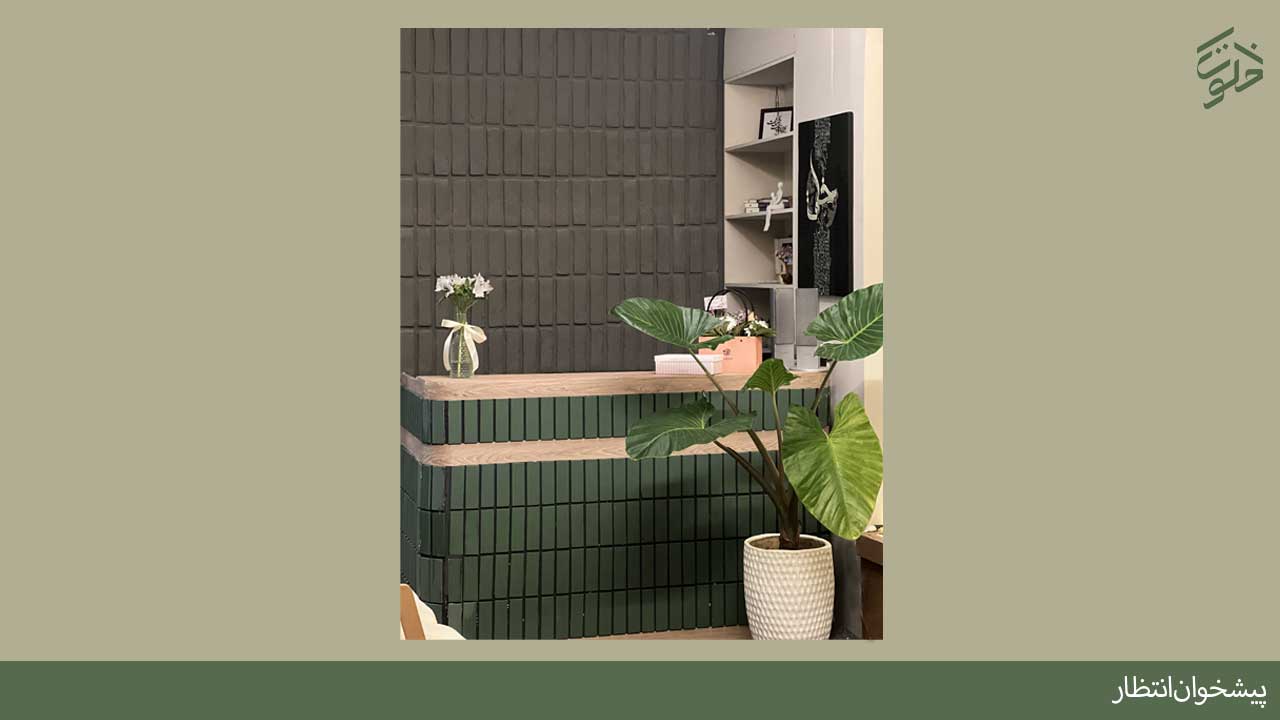
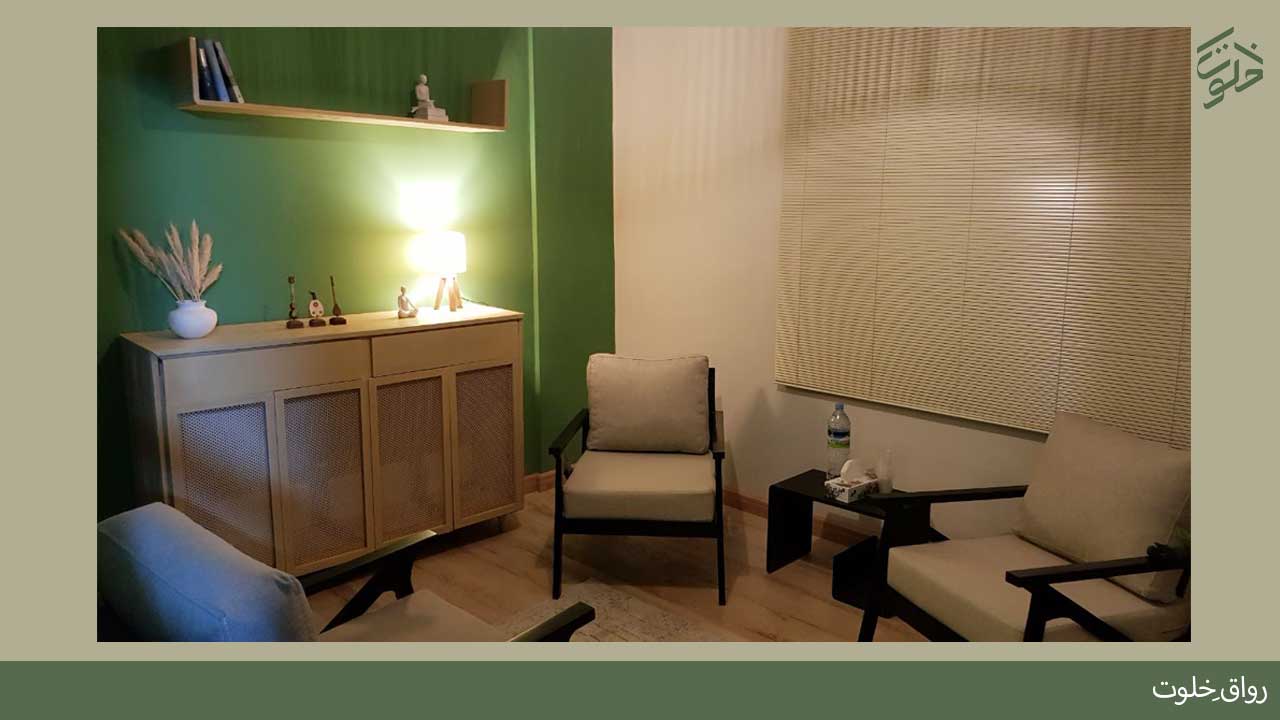
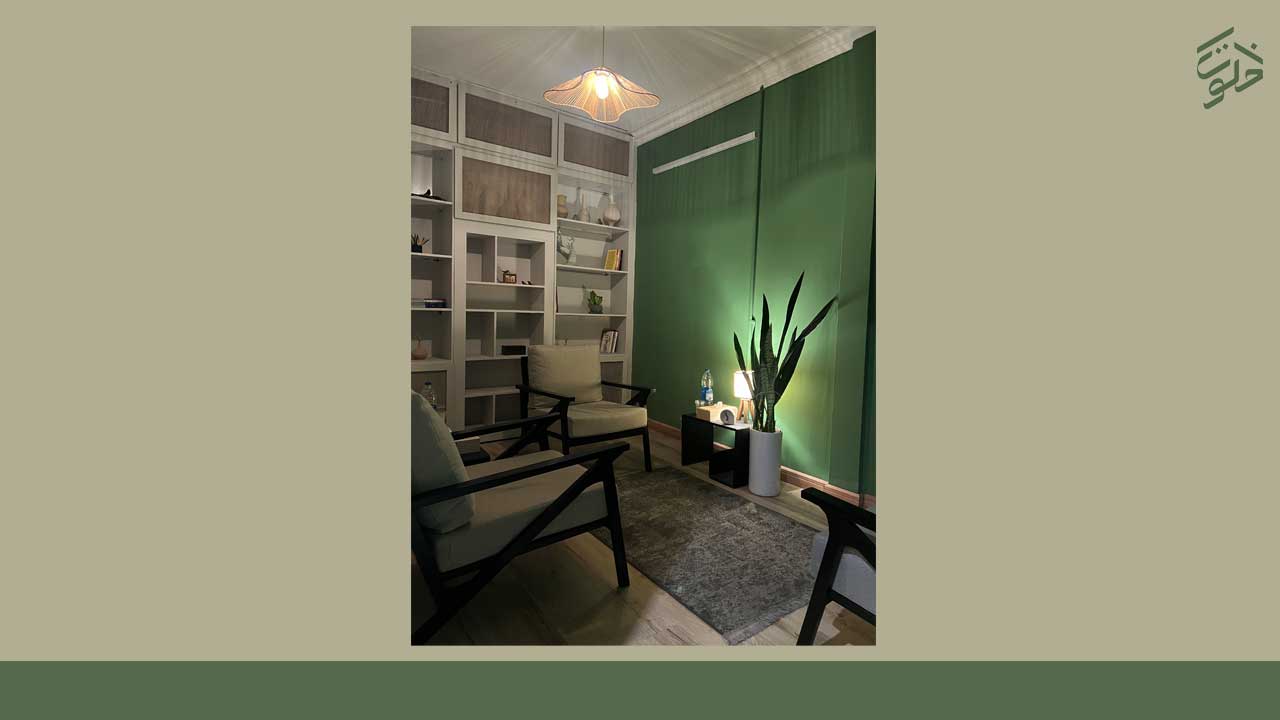
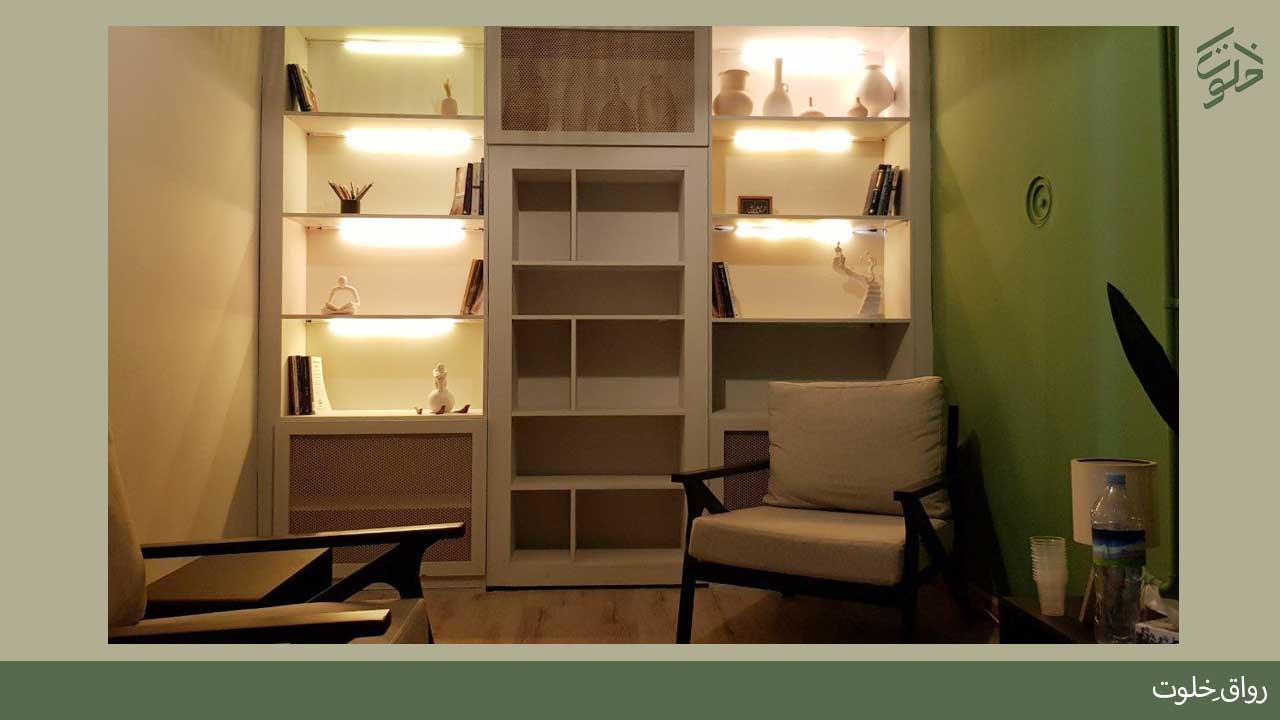
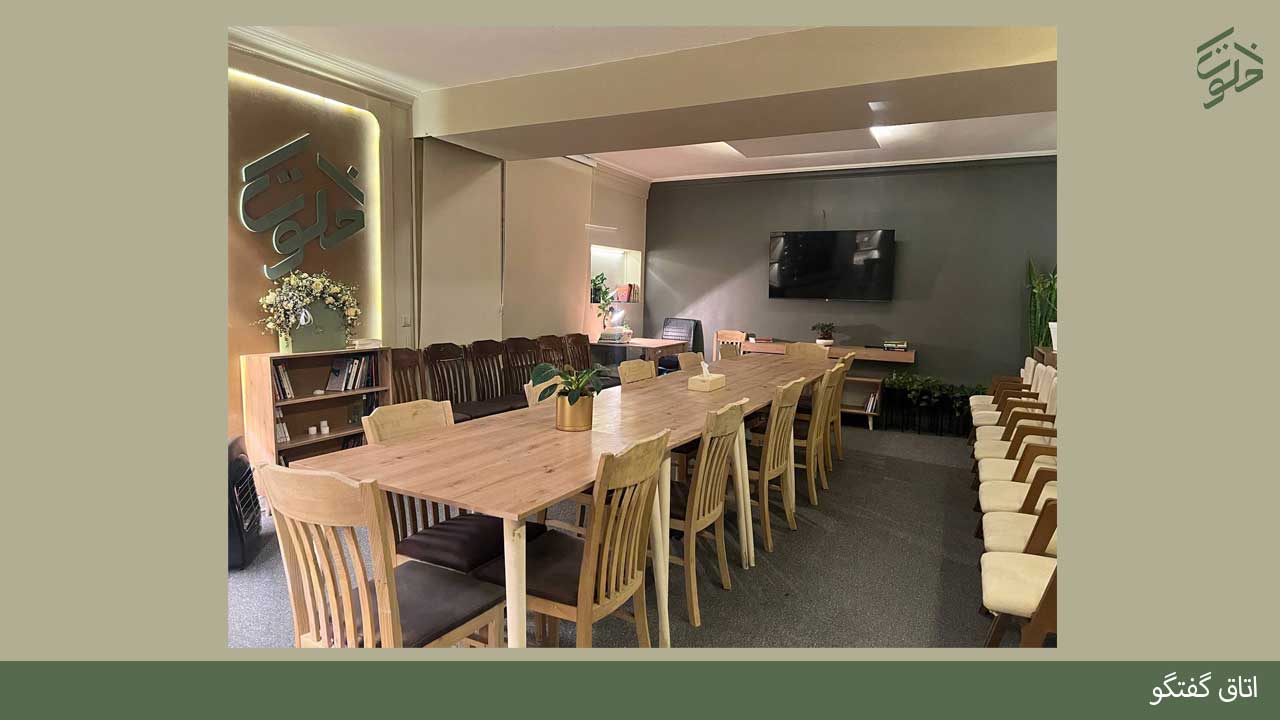
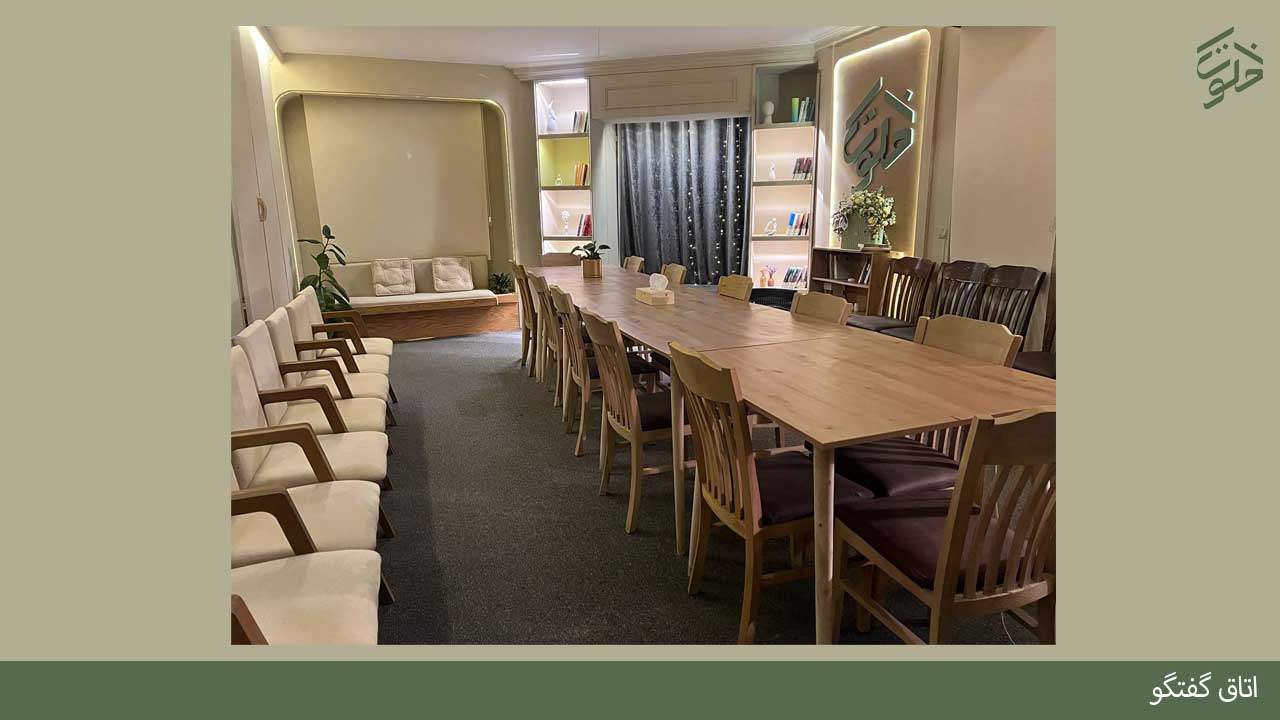
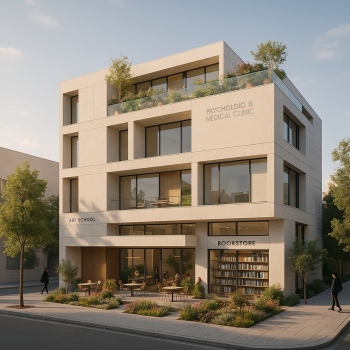
What does the future hold for Khalvat?
We carry a big dream in our hearts—that this small home we call Khalvat will one day, perhaps not too far from now, become a safe and welcoming corner for anyone, with any idea or belief, who simply wants to live…
We have plans, of course. But for now, all we can say is:
We believe that everyone finds their way to Khalvat eventually.
If not today, maybe tomorrow… :)
تغییر کلمه عبور
تغییر کلمه عبور
حساب کاربری من
سفارشات
مشاهده سفارش
سبد خرید